

In dit jaar van veelvuldige verkiezingen hebben de belangrijkste Belgische fairtradeorganisaties en ondernemingen uit de sector een memorandum opgesteld. Dit boekje met aanbevelingen en eisen heeft betrekking op verschillende overheidsniveaus: federaal, regionaal, gemeentelijk en Europees.

Enabel’s Trade for Development Centre zoekt 3 nieuwe coaches om Afrikaanse coöperaties, producentenorganisaties en business support organisations te begeleiden. Alledrie de jobaanbiedingen zijn full time, van september 2024 tem december 2027. Interesse? Lees de jobomschrijvingen en stel je kandidaat voor 7 maart!

‘Maak van Brussel een Fair Trade Gewest’ is een uitgebreid programma op initiatief van Communes du commerce équitable (de Franstalige tegenhanger van FairTradeGemeente) en het Trade for Development Centre van Enabel. Beide organisaties zijn actief op lokaal, provinciaal en federaal niveau en besloten hun krachten te bundelen om via actie in de gewesten te werken aan eerlijke handel in heel België.
Dit verslag verzamelt de voornaamste activiteiten en impact van het Trade for Development Centre-programma tussen 2018 en 2022.

Sinds de oprichting in 2005 maakte Belvas (een samentrekking van België en ‘Valeur Ajoutée pour le Sud’ – toegevoegde waarde voor het Zuiden) van eerlijke

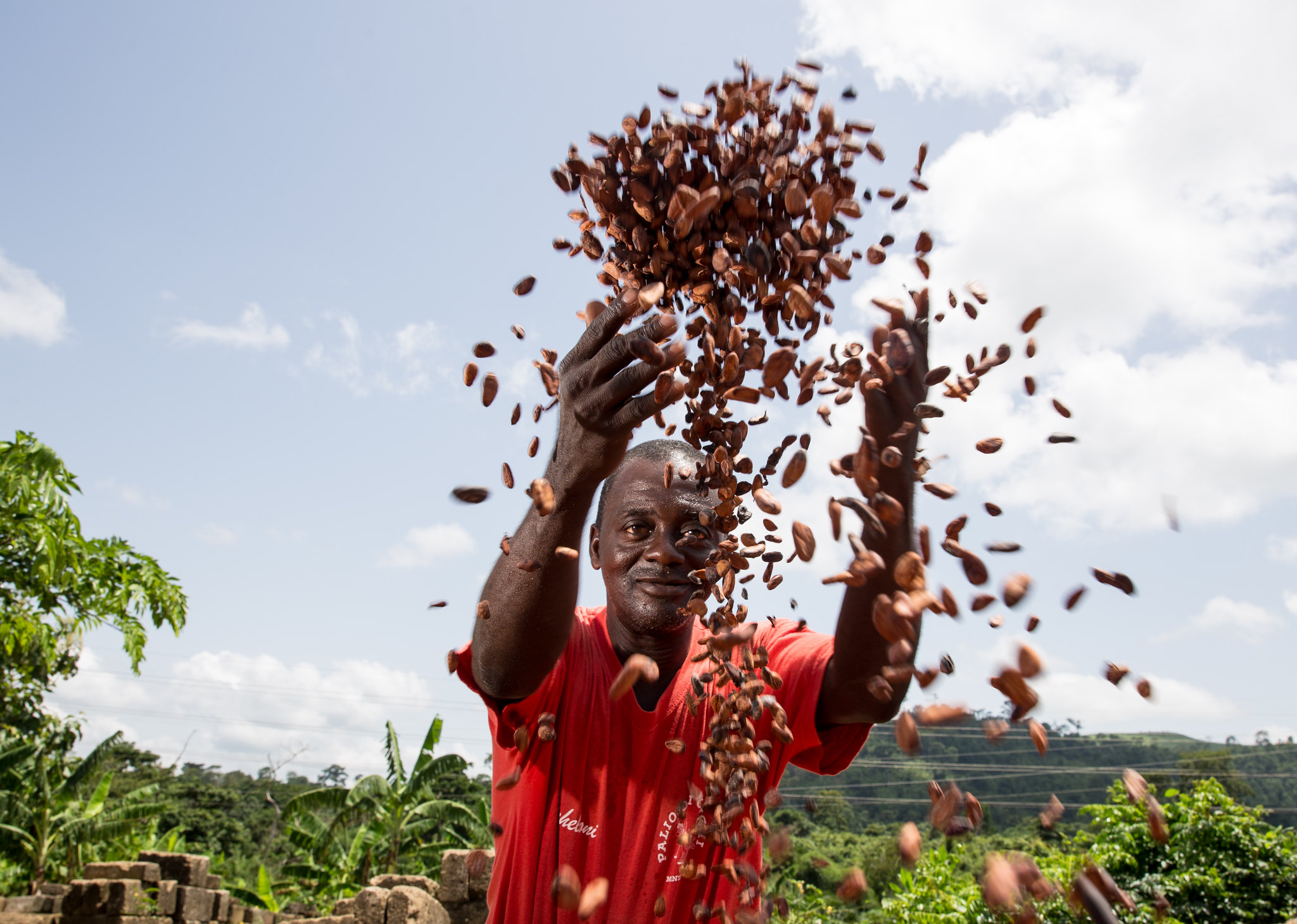
In 2015 startte de Belgische bakkerij- en chocoladespecialist Puratos het programma Cacao-Trace, met als doel de levensomstandigheden van cacaoboeren te verbeteren. Hoe? Door de kwaliteit van de cacao te verbeteren, wat voor een hogere waarde zou zorgen.