ORGANIC FAIR TRADE IN SÃO TOMÉ AND PRINCIPE
In São Tomé, CECAB (Cooperative for the export and marketing of organic cocoa), certified organic free trade, is the umbrella organisation for 1525 growers from 40 communities.
Set up in 2004, it has been exporting organic cocoa since 2005, in partnership with the French company Kaoka.
We met Antonio Dias, representative of CECAB and manager of the organic cocoa sector in the PAPAFPA1 programme.
Why did you choose BioEquitable certification?
The proposal came from our buyer, Kaoka, which knew the label well. It put us in contact with Ecocert in order to obtain it. Organic growing is a small market, but very high-quality. In addition, it allows us to produce without too many costs, as pesticides are expensive. We also avoid market fluctuations and can sell our products at the best price, thanks to the fair trade dimension.
What is the position of the cocoa sector in São Tomé?
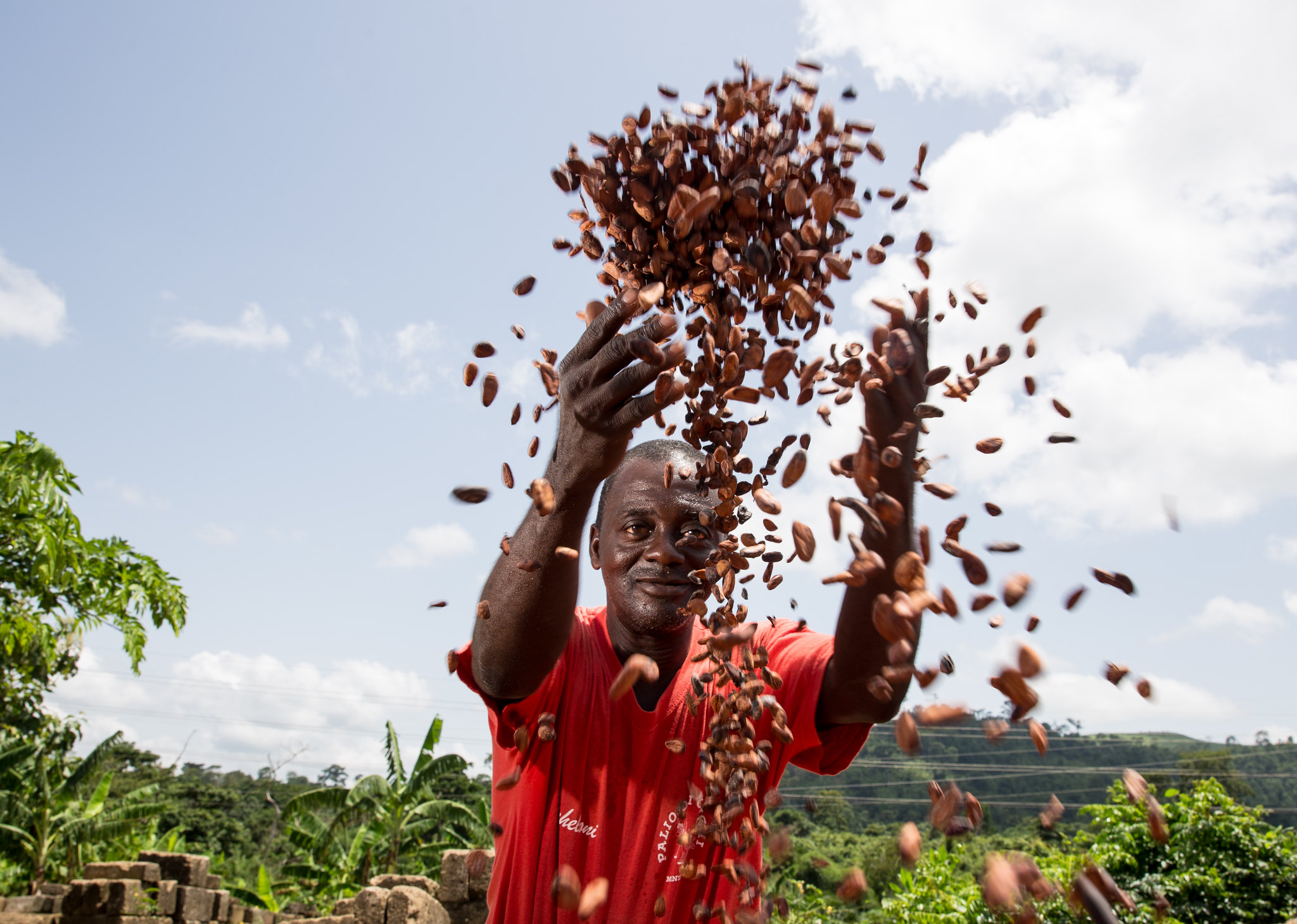
Cocoa production has been falling for several years. It’s currently about 3000 tonnes, of which 450 tonnes is produced by CECAB. Several factors explain this: We don't have a sufficient density of cocoa trees, many of which are too old, and seeding hasn’t worked very well. Finally, there are still too many growers who are not professional enough. In the past, they were farm workers on the big plantations, which were nationalised in 1975. In 1990, these businesses went bankrupt and the government, under pressure from the World Bank, had to implement a second agricultural reform that saw the appropriation of the land by the small growers, who became its owners.
What are your objectives now?
You can see greater dynamism within the sector. But although the situation has improved, it’s not perfect yet, especially as regards the under-use of the plantations. CECAB now has about 3000 hectares producing 450 tonnes.
It is not enough! I believe we could achieve production of 1500 tonnes. We have a loyal buyer, a good price and a good technical team, which together have allowed us to double our economic yield.
Today, our goal is to double production, which in effect will mean we have quadrupled the yields of producers if we can do it. To achieve our objectives, we have already identified the diseased and unproductive cocoa trees, new plants are beginning to spring up, and this process should begin to bear fruit soon.
Did you have any problems in obtaining certification?
It took us three years to get it. For the growers, it’s a difficult process, as it involves a lot of organisation, and many administrative documents, reports and questionnaires to be filled in. It's not that easy, they often need help, which fortunately they can obtain thanks to the PAPAFPA programme of support to growers set up by the government.
SÃO TOMÉ
1 PAPAFPA (Programme d’appui Participatif à l’Agriculture familiale et à la Pêche Artisanale - Participatory Smallholder Agriculture and Artisanal Fisheries Development Programme) is financed by the International Fund for Agricultural Development (IFAD), Agence française pour le Développement (AFD) – French Development Agency, and by the Government.
What is the cost of certification and the inspection process?
Certification costs 10,000 - 12, 000 USD and is paid by the buyer, in this case Kaoka. But a lot of work is carried out upstream by our local teams who carry out internal inspections on the ground. They regularly verify that the standards are being observed, so that everything is in order for the annual inspection by Ecocert.
What changed most after certification?
Attitudes changed a lot. Before, the growers sold their cocoa beans at any old price. The beans were not of good quality. Today, we offer the best cocoa in São Tomé and it’s organic as well. The living standards of producers have improved, they have been able to extend their houses, buy household electrical goods, and give their children a better education. Before, they were living on 1.5 USD a day, now they make 3 to 4 USD a day. The cooperative provides them with the products authorised to improve their crops (copper, sulphate, calcium) and equipment. It buys medicine for those who are ill, and coffins for the deceased… it should also be pointed out that cocoa production is concentrated in six months of the year (March-April-May and September-October-November). And as the growers are unable to save, when they’re producing cocoa beans life is good, but in the slack period they are destitute! For this reason, we have designed a “piggy-bank” project. Instead of giving them 100% of their income during the production period, we give them 90% and keep back 10% for redistribution in the slack period.
> www.kaoka.fr
CERTIFICATIONS: ESR, BIENTÔT USDA ORGANIC
FROM FREE TRADE ORGANIC TO ESR
The Bio Equitable system is part of a partnership approach (technical and financial assistance to producers), and contractualisation of volumes and prices to provide fair remuneration to producers. Bio Equitable, which was known as Bio Partenaire until recently, collaborated in the revision of the Ecocert ESR documentation.
In 2009, Bio Partenaire decided to delegate the whole of its inspection process to the Ecocert organisation in order to reorganise its efforts to support businesses and the setting up of sector industries. Operators found to be compliant by Ecocert using the ESR documentation can decide freely whether or not to belong to the Bio Partenaire association in order to benefit from the Bio Equitable mark and the various services offered by the association.
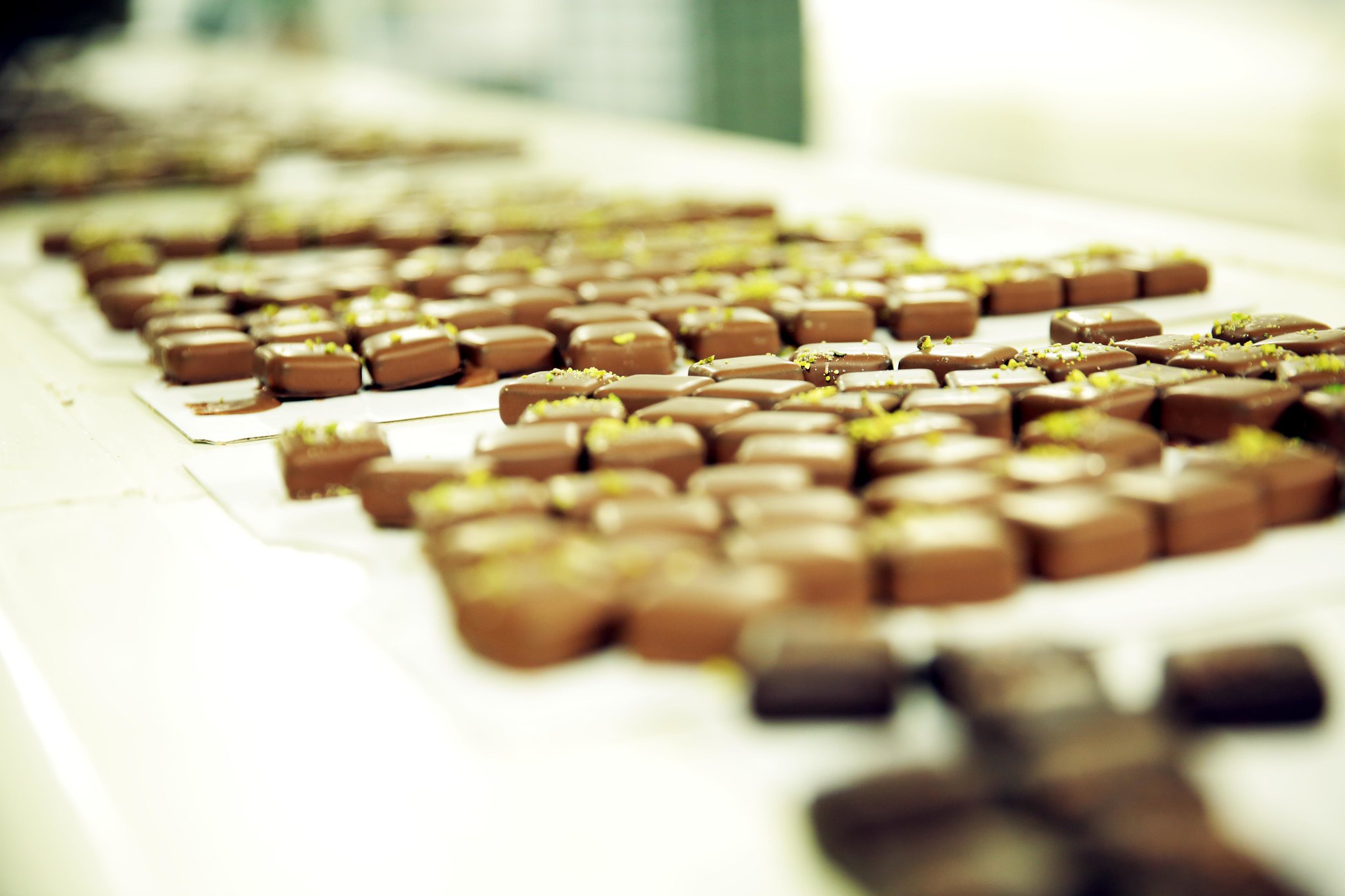
CECAB is now therefore certified in accordance with the ESR documentation but for the present continues to display the “Bio Equitable” logo on its chocolates.