With new markets opening up for goods produced by artisans from all parts of the world, craft commercialisation and craft industries have become key components of local economies. Now with the emergence of the Fair Trade movement and public opposition to sweatshop labour, many people are demanding that artisans in third world countries not be exploited for their labour.
As the gap between rich and poor widens, the fate of subsistence economies seems more and more uncertain. The artisans in this book show that people can and do employ innovative opportunities to develop their talents, and in the process strengthen their ethnic identities.


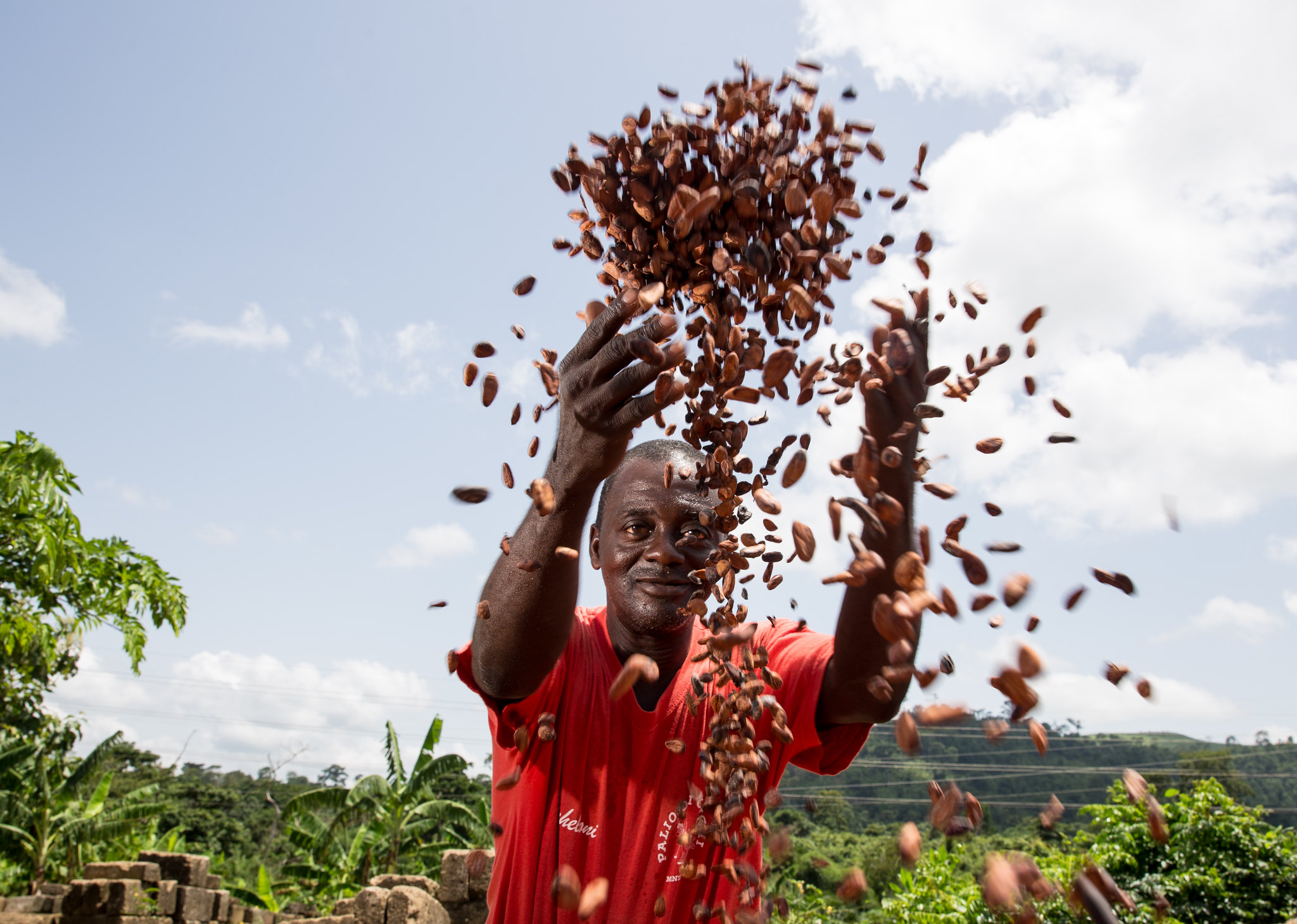
Meeting the people who grow our bananas and cocoa and make our clothes, this No-Nonsense Guide to Fair Trade tells the human story behind what we consume. Examin-ing the global contest between "free" and "fair" trade, David Ransom argues that the key question is not whether trade should be regulated or deregulated, but whether it is to be the master or servant of the people.
And as fair trade products are being turned into brands by large corporations, a new contest opens-it is no longer just a question of fair versus free, but what kind of fair trade.

Nobel Prize-winning economist and ex-World Bank official Stiglitz is the leading mainstream critic of the free-trade, free-market "Washington Consensus" for developing countries. In this follow-up to his best-selling Globalization and its Discontents, he and Charlton, a development expert, present their vision of a liberalized global trade regime that is carefully geared to the interests of poorer countries. They recap a critique, much of it based on Stiglitz's academic work, of orthodox trade theories, noting the real-world constraints and complications that undermine the assumption that unregulated free trade is always a boon, and analyse the bias towards developed countries in previous trade agreements. They call for the current round of trade negotiations to refocus on principles of equity and social justice that accord developing countries "special and differential treatment."

What’s wrong with buying regular coffee? Does Fair Trade necessarily mean ethical trade? What impact can consumers have on global economics? Fair Trade: A Beginner’s Guide reveals why Fair Trade means more than just bananas, coffee, and chocolate. Author and activist Jacqueline DeCarlo explains the principles behind Fair Trade and its development into a powerful economic tool. Packed with inspiring ways to make a difference, this book will encourage readers of all backgrounds to help end poverty,environmental destruction, and human exploitation.
Jacqueline DeCarlo was the director of the Fair Trade Resource Network, leading the organization’s growth and development before joining Catholic Relief Services in 2005. She is currently a professional writer.

This book explores the challenges and potential of Fair Trade, one of the world’s most dynamic efforts to enhance global social justice and environmental sustainability through market based social change.
Fair Trade links food consumers and agricultural producers across the Global North/ South divide and lies at the heart of key efforts to reshape the global economy. This book reveals the challenges the movement faces in its effort to transform globalization, emphasizing the inherent tensions in working both in, and against, the market. It explores Fair Trade’s recent rapid growth into new production regions, market arenas, and commodity areas through case studies of Europe, North America, Africa, and Latin America undertaken by prominent scholars in each region. The authors draw on, and advance, global commodity and value chain analysis, convention, and social movement approaches through these case studies and a series of synthetic analytical chapters. Pressures for more radical and more moderate approaches intertwine with the movement’s historical vision, reshaping Fair Trade’s priorities and efforts in the Global North and South.