vignet-3.JPG
LOGOS.GIF

European and Belgian market for certified coffee

European and Belgian market for Certified coffee.JPGAccess to accurate and relevant market information is a virtual prerequisite to sustainable planning, production and trade, particularly within the context of market volatility. As smaller producers become increasingly exposed to international markets, there is a corresponding urgency in having up-to-date market information.

The International Coffee Organization, as well as the major coffee exchanges (e.g., LIFFE and ICE Futures US), have played an important role in rendering market information more accessible to producers around the world through online, real-time information services. To date, the market information provided by such institutions has, however, been limited principally to the four major coffee “commodity categories” (Colombian Mild’s, Other Mild’s, Brazilian and Natural Arabica, Robusta) with little to no attention to markets for speciality coffee and other differentiated (labelled) markets.

Given that differentiated markets are the fastest growing markets and promise the highest returns for producers, this report of the Trade for Development Centre makes an attempt to capture all relevant information on the international coffee market – ranging from the worldwide economic structure of this market to characteristics and related prices for different types of coffee, certification and labelling information, product requirements and future strategies by some key actors in the coffee value chain, and major trends in consumer preferences and –behaviour.

[Download the report]


The end of FLO/Fairtrade/Max Havelaar monopoly

Since a long time, there have been many fair trade distributors around, but there have never been many certifiers. Max Havelaar/FLO/Fairtrade has held an almost monopolistic position because this type of fair trade products is so hard to certify.
Now, things have changed.
Ecocert Equitable.JPGIn Belgium, Ethiquable has launched its 3 first Ecocert fair trade certified products, based on the Ecocert ESR (équitable, solidaire, responsable - Fair Trade, solidarity, responsibility) standards.
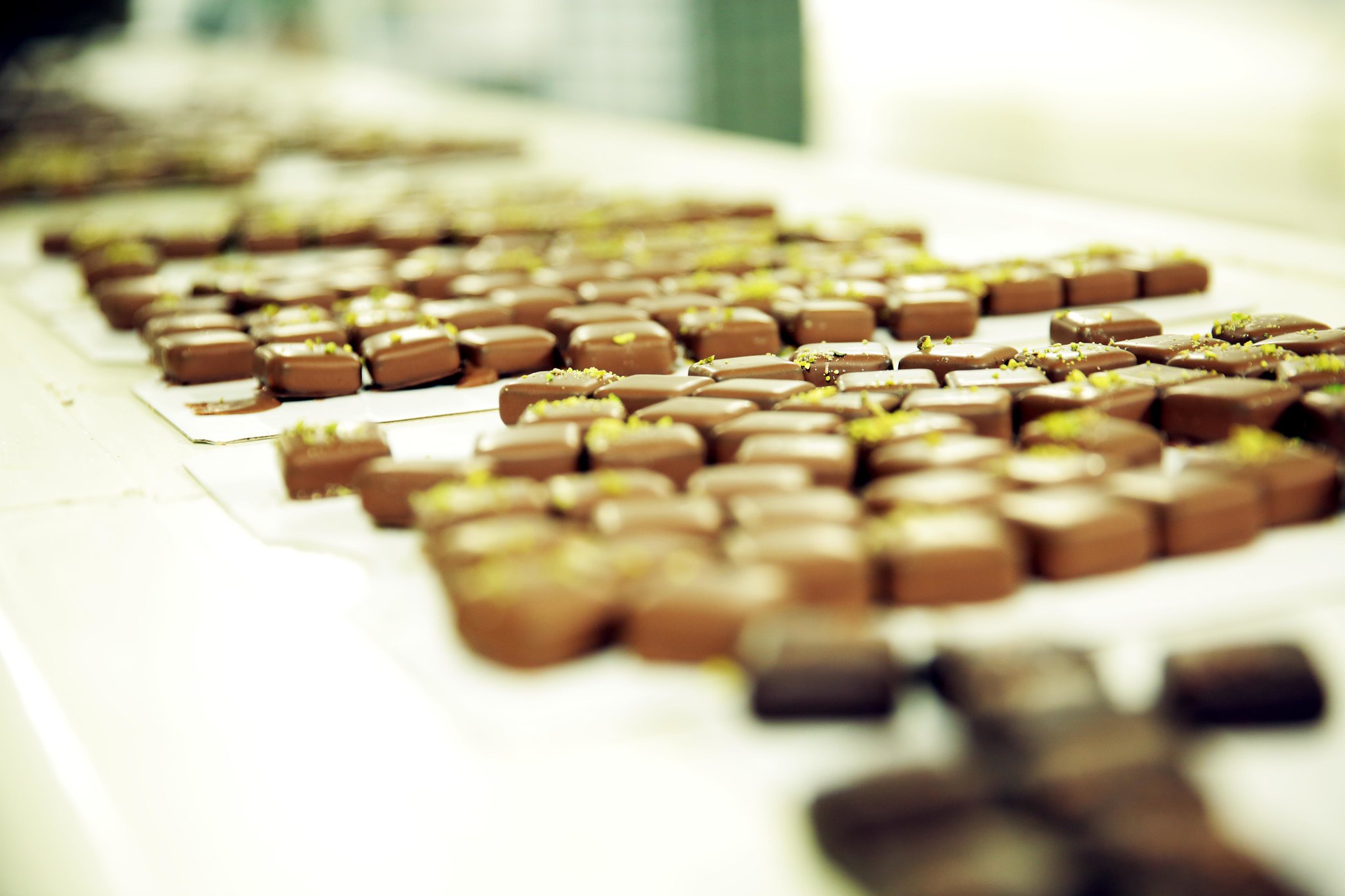
They are blue and red bags of potato crisps from Peru, as well as a 80% black chocolate bar from Ecuador.

Chips Ethiquable.JPGEthiquable has several reasons for working with Ecocert:
 
- With regards to potatoes, the Peruvian value chains are not covered by FLO/Max Havelaar standards.
- The fair trade vision of Ethiquable only regards smallholder farmers. And this is exactly a preliminary criterion of the Ecocert ESR standards, which, unless exception, excludes plantations.
- The cost of certification is in proportion with the number of members of the cooperative, which enables smaller entities to enter the fair trade business.
- Through Ecocert, ESR and ORGANIC certification can be combined, which leads to cost reduction, for both Equitable and the producers.

France establishes first official fair trade control institution

In France the National Fair Trade Commission (CNCE) has just been installed. It should enable consumers to recognize the genuine "fair trade" products, which are certified by recognized certification bodies. It is the first time in Europe that public authorities provide legal and statutory support to fair trade.

Three bodies should be recognized at least by the CNCE: Flo-cert with the Fairtrade/Max Havelaar label, which uses the FLO standards; Ecocert with the new Ecocert Fair Trade guarantee, which uses the ESR (Equitable, Solidaire et Responsable) standards; and Artisans du Monde.

In a way, as the certification market is opening up to new players, this also is the end of the fair trade certification monopoly of Flo/Fairtrade.


Opinion poll on fair and sustainable trade in Belgium

BTC’s Trade for Development Centre conducted an opinion poll to analyse the evolution of opinions of Belgians with regards to fair and sustainable trade. This opinion poll was conducted by GfK Significant. Here are some of the findings:

  • The familiarity with the concept of fair trade is very high (86%)
  • The very positive image seems to fade a bit
  • People aged 55 and more buy most
  • Coffee is the product of choice
  • Sustainable trade is far less known


    [ Click here to read the summary of the opinion poll ]


    From fair trade to organic, development opportunities for the South?

    BIO handen met aarde en plantje.JPGOrganic products gaining popularity with consumers in the North. Organic agriculture stands for a natural production system without synthetic pesticides and GMOs; it emphasises respect for people (their health and well-being) and the environment and biodiversity. Consumers in the North buy more and more organic products, which strengthens the demands for these products. Between 2005 and 2006 the turnover of organic products increased by 17,5%, and Bioforum expects further growth over the coming years of about 10% per year.

    Besides advantages for people and the environment, organic also holds opportunities for developing countries. At the beginning of 2000 many coffee producers in the South opted for double certification: organic and fair trade. Now, this seems to have been a good choice, because as coffee prices were collapsed on the exchange, these producers could benefit from the minimum price which was two to three times higher than the price on the traditional market.

    [ Read more ]

    The Trade for Development has developped a brochure about this theme that will be available soon.

  • round-top-right.GIF
    © Copyright BTC CTB - All rights reserved - Powered by DNC GROUP